
For Entrepreneurs, Investors & Location-Independent Founders
Learn How a Dubai Setup Works – Before You Set Anything Up
Understand the key differences between mainland, free zone, visa, banking, tax, and compliance before making a decision.
Step 1 of 2: Watch Video👇
Step 2 of 2: Download Your Free Dubai Setup Guide 👇
Learn what matters before choosing a UAE company, visa, banking, or tax setup.
Name
Phone
Which situation sounds most like you?
What you need to know
Before Setting Up in Dubai
as an Entrepreneur.
Understand the difference between mainland and free zone setups
Learn how visa, residency, and banking fit together
See what corporate tax and compliance mean in practice
Build a setup that actually fits your business model and long-term situation
Avoid outdated or artificial structures that can create problems later
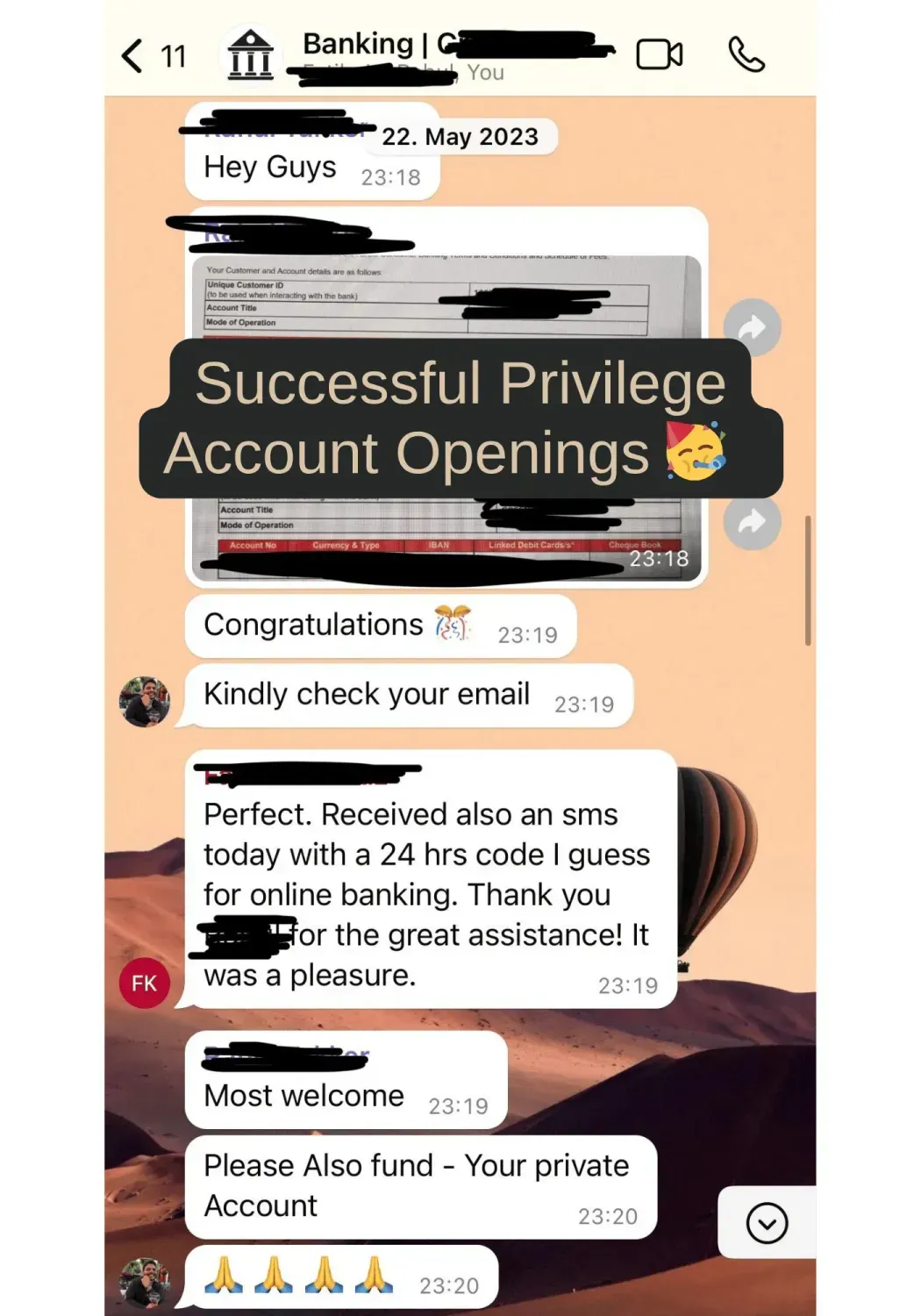
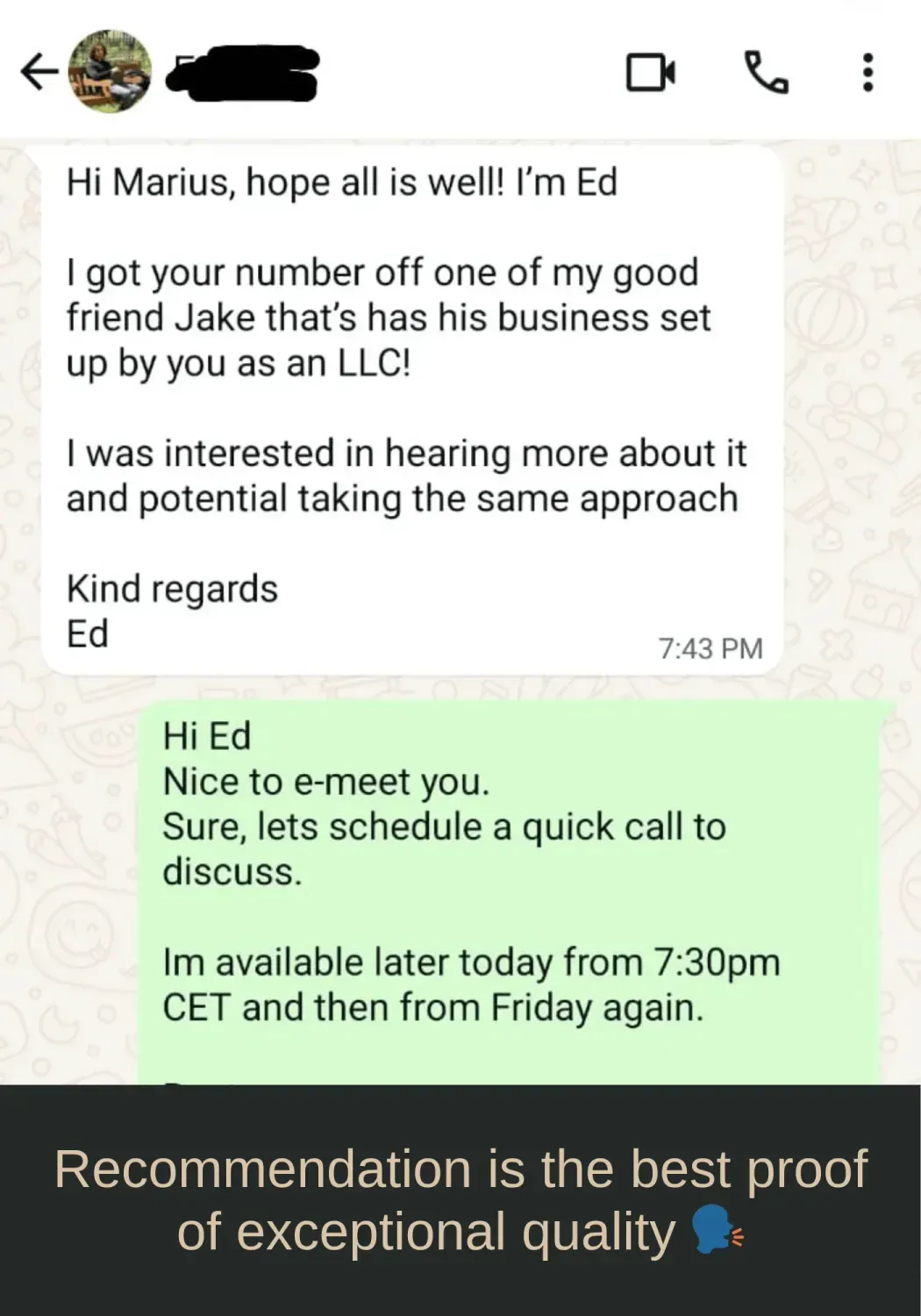
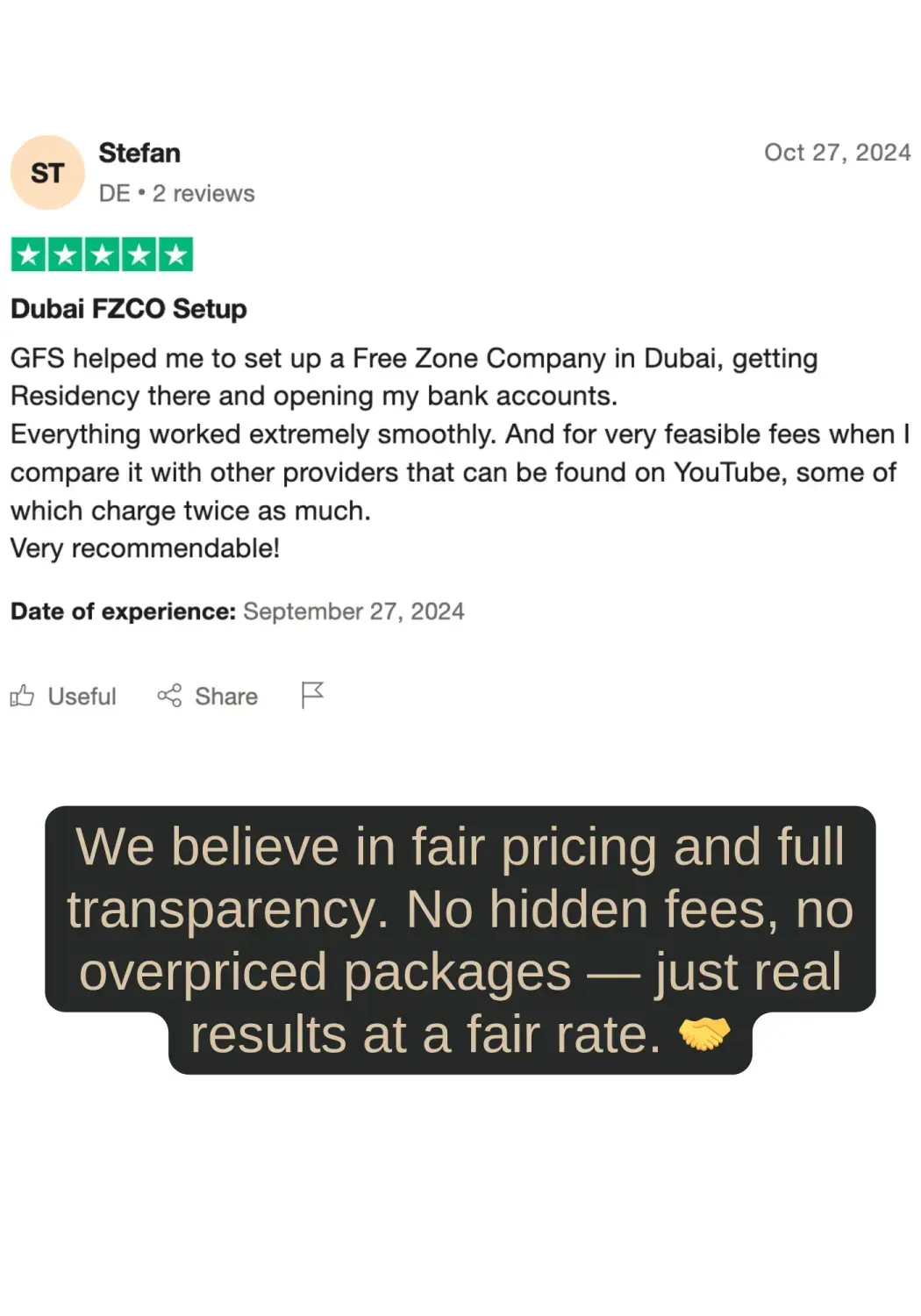
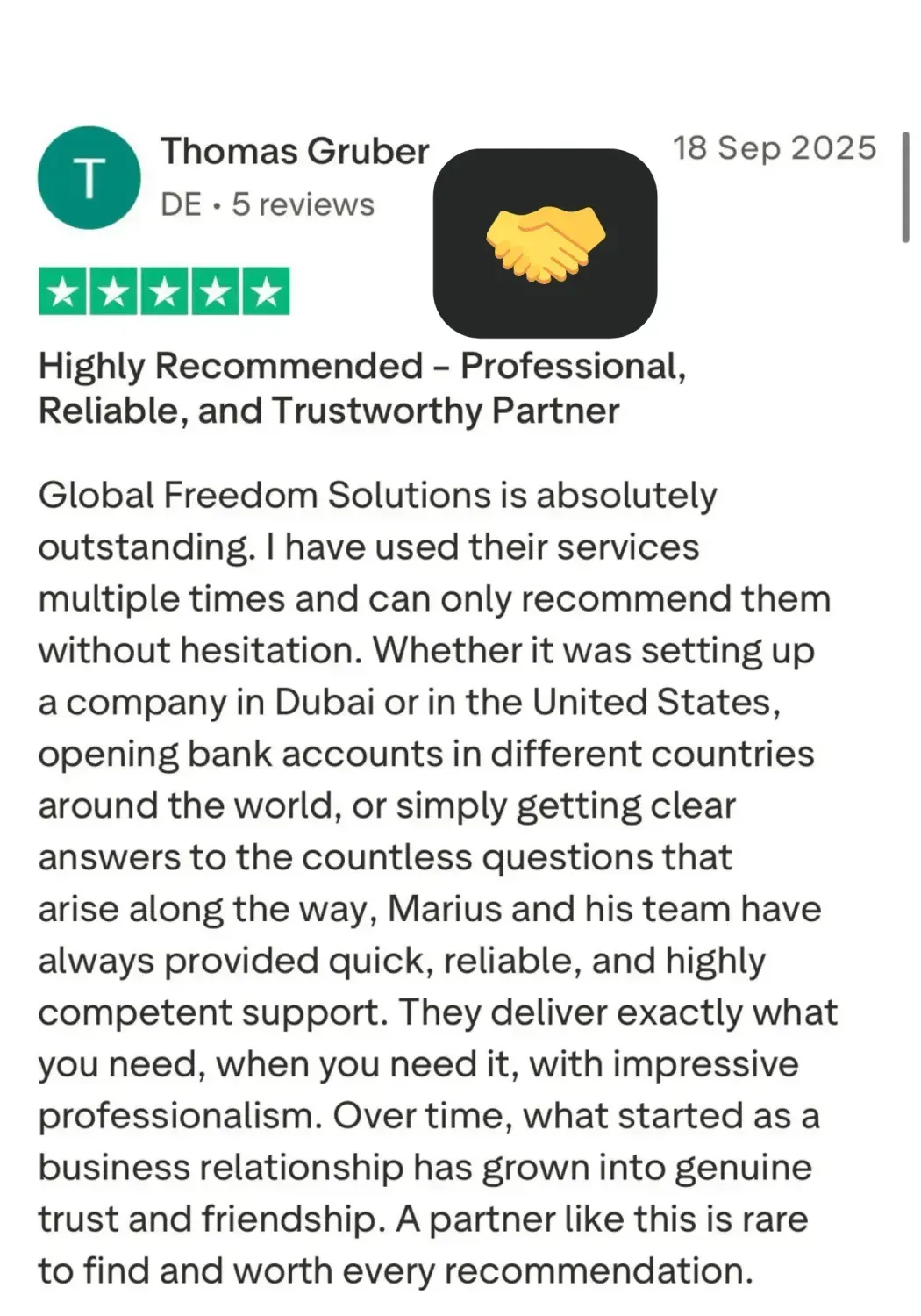
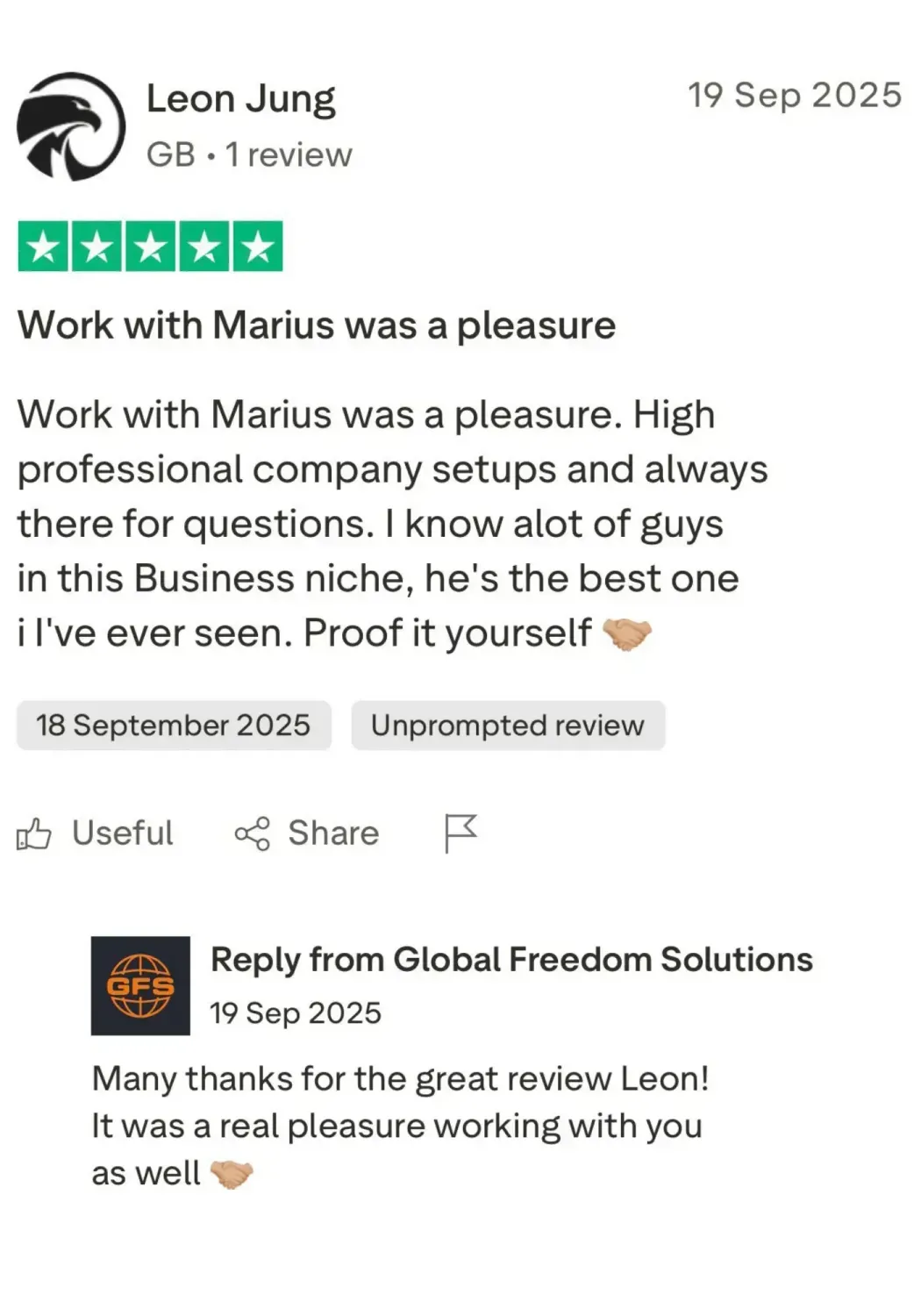
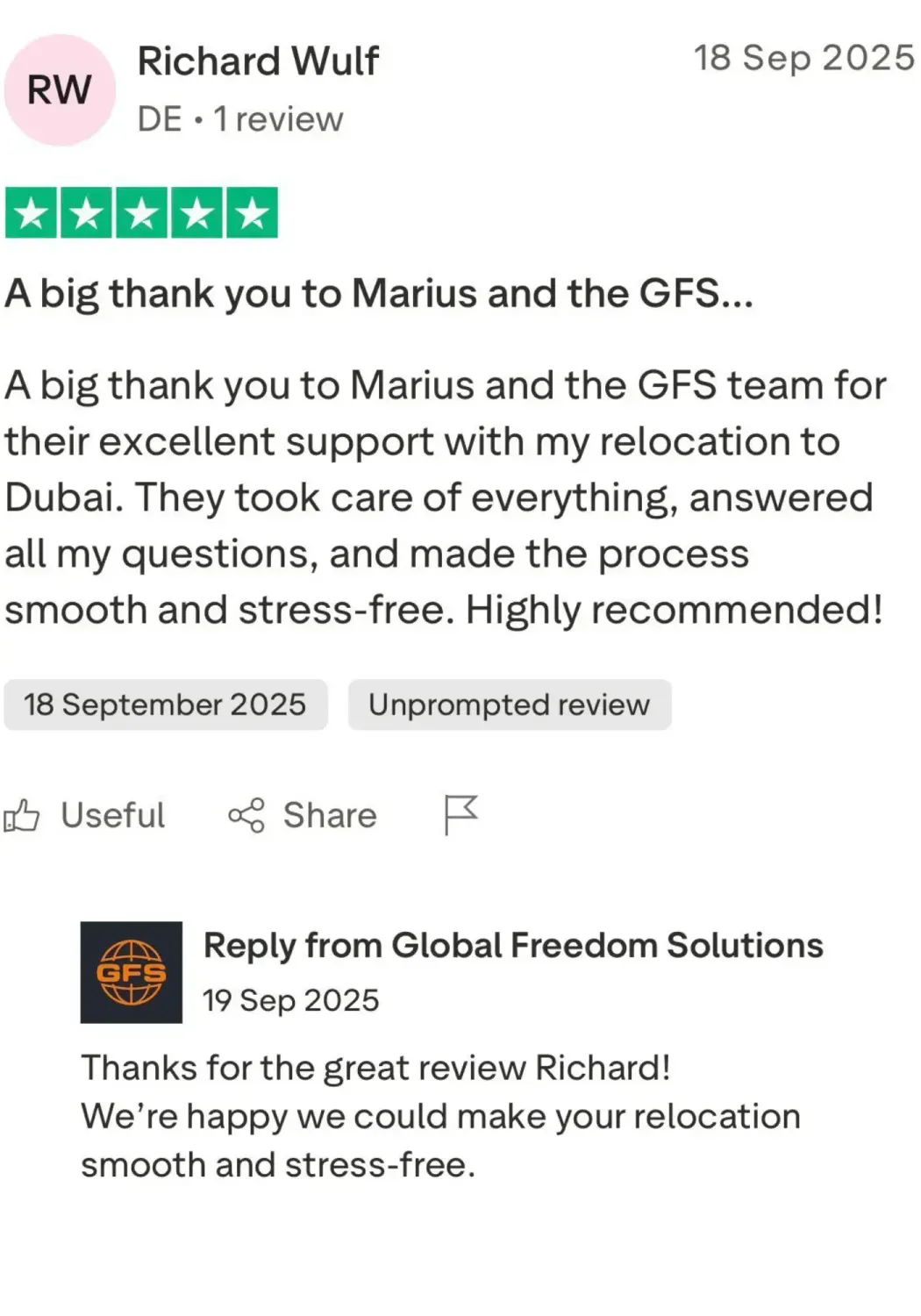
Client Wins 👇
Learn the process before setting anything up.
Learn the process before setting anything up.
Dear Entrepreneurs & Global Investors…

Marius Alexander Walter - Founder GFS
Dubai can be a powerful base for international entrepreneurs, but it is not as simple as just opening any company and expecting everything to work automatically.
The right setup depends on your business model, residency situation, banking needs, tax exposure, and long-term goals.
That is why it is important to understand the structure before making a decision.
In the free Dubai Setup Guide, you’ll learn what matters when choosing between free zone and mainland, how residency and banking fit into the process, what corporate tax means in practice, and which common mistakes you should avoid.
Dubai can still be one of the most attractive places for entrepreneurs — but only if the setup is built properly from the beginning.
👉 Download the free guide and understand the process before setting anything up.
Learn the process before setting anything up.
Learn the process before setting anything up.

Marius Alexander Walter - Founder of GFS
Is This Relevant for You?

Considering Dubai as a Base
You want to understand whether Dubai could be a good location for your business, residency, or long-term structure.

Reviewing Your Tax Situation
You want to understand how UAE corporate tax, personal tax, and residency rules may affect your setup.

Looking for More Stability & Safety
You are interested in a stable, business-friendly environment with strong infrastructure and international access.

Planning a Real Business Structure
You do not want a generic company setup — you want to understand what fits your activity, banking needs, and future plans.
Learn the process before setting anything up.
Learn the process before setting anything up.
How a Dubai Setup Usually Works

1. Understand the Right Company Setup
Learn the difference between free zone and mainland, license activities, ownership, costs, and compliance requirements.

2. Review Residency & Visa Options
Understand how UAE residency works, when a visa makes sense, and how it can affect banking, tax residency, and long-term planning.

3. Prepare for Banking & Compliance
See what banks usually look for and why clean documents, clear activity, and ongoing compliance matter.
Learn the process before setting anything up.
Learn the process before setting anything up.
Get to Know The Founder

Global Freedom Solutions was founded by Marius Walter, a tax and structuring expert with experience in international tax, company setup, and cross-border business planning.
Before founding GFS, Marius worked at KPMG in Germany, where he focused on tax advisory, auditing, and capital markets consulting.
He has lived in Dubai for several years and has helped entrepreneurs understand and implement UAE company, residency, banking, and compliance structures.
The goal of this guide is simple: help you understand how Dubai setup works before you make a decision.
Globalfreedomsolutions, the Original, known from:

22K+ Follower

1,700+ Follower
Globalfreedomsolutions, the Original, known from:
22K+ Follower
1,900+ Follower
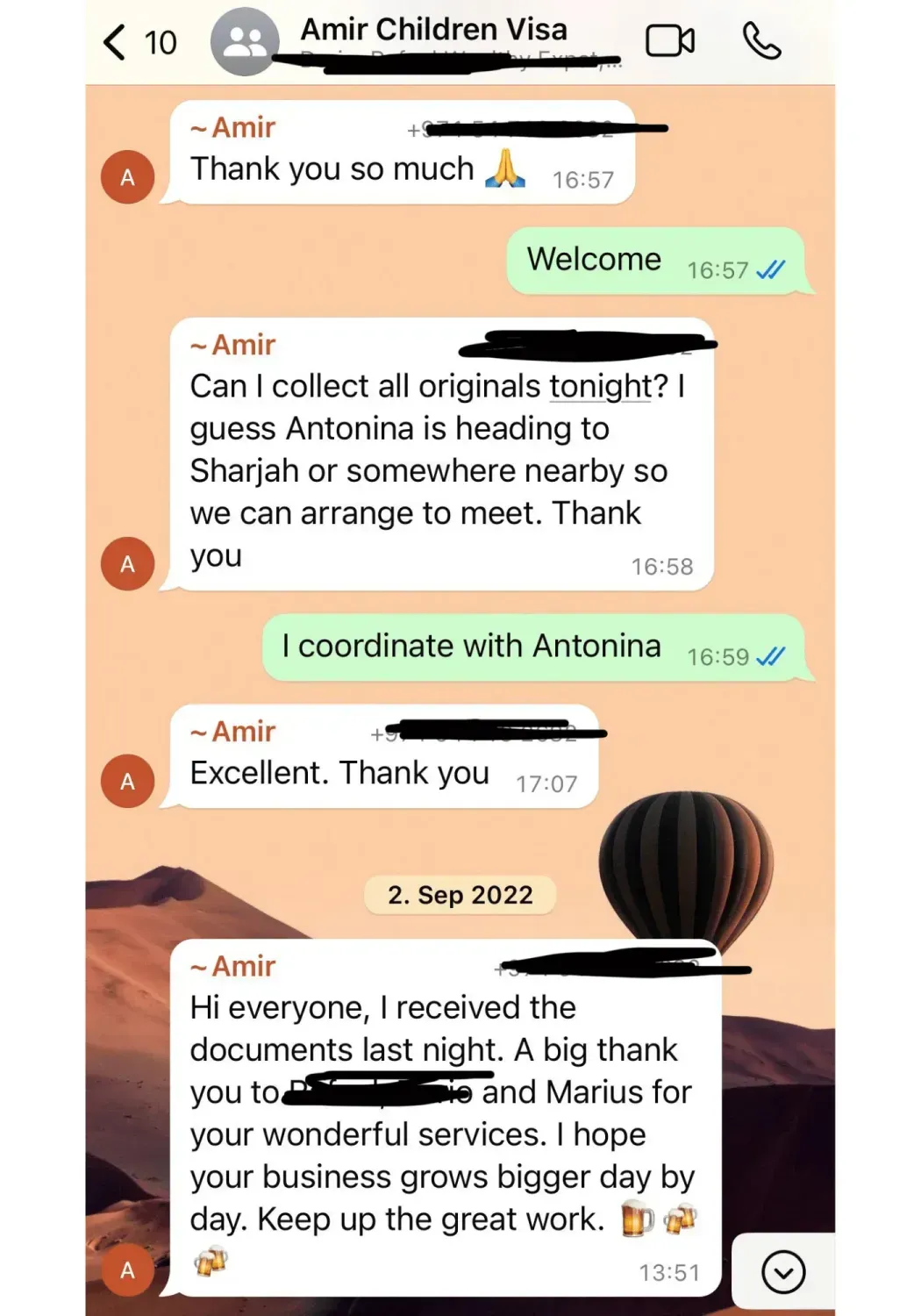
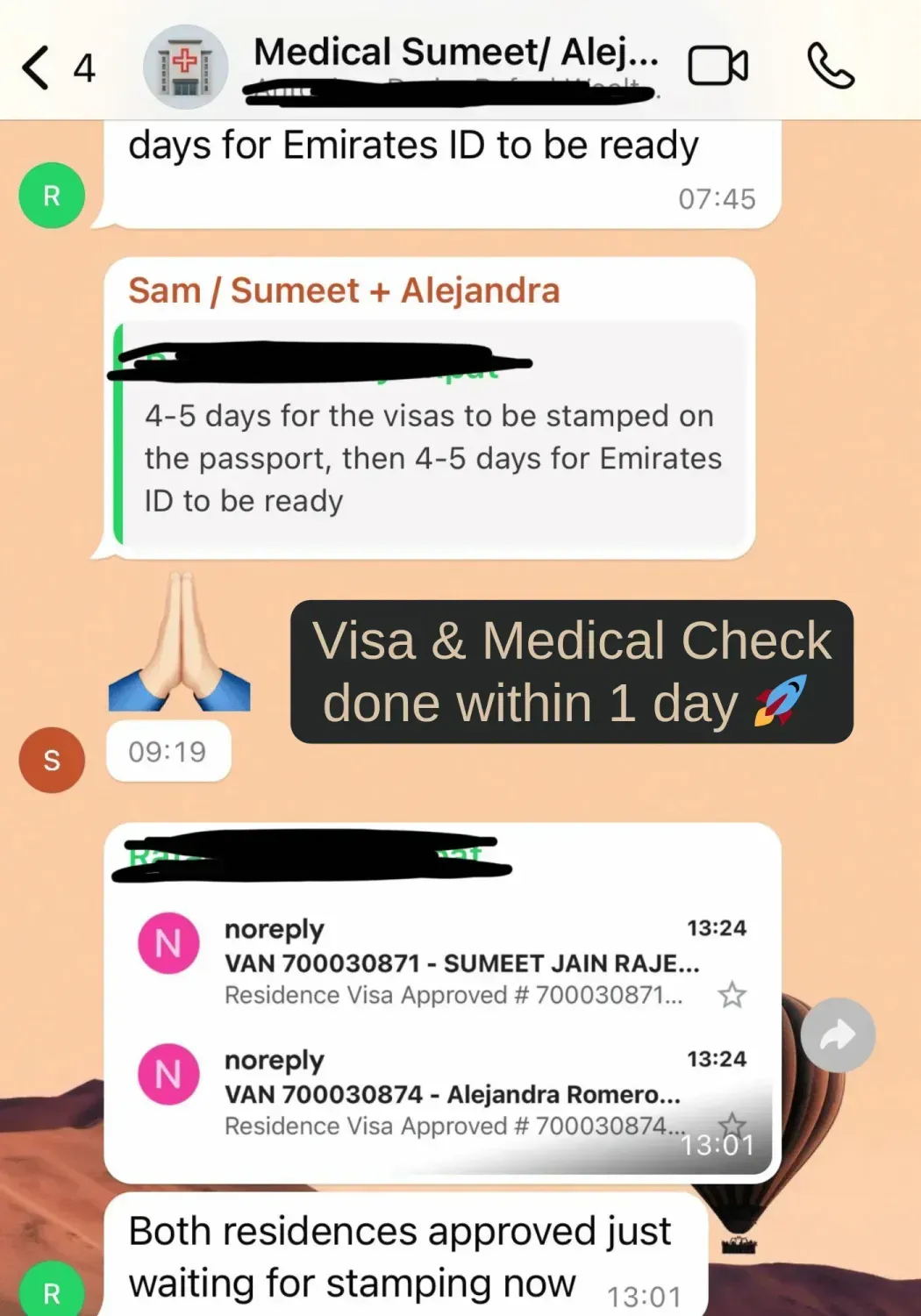
Real Client Results & Feedback
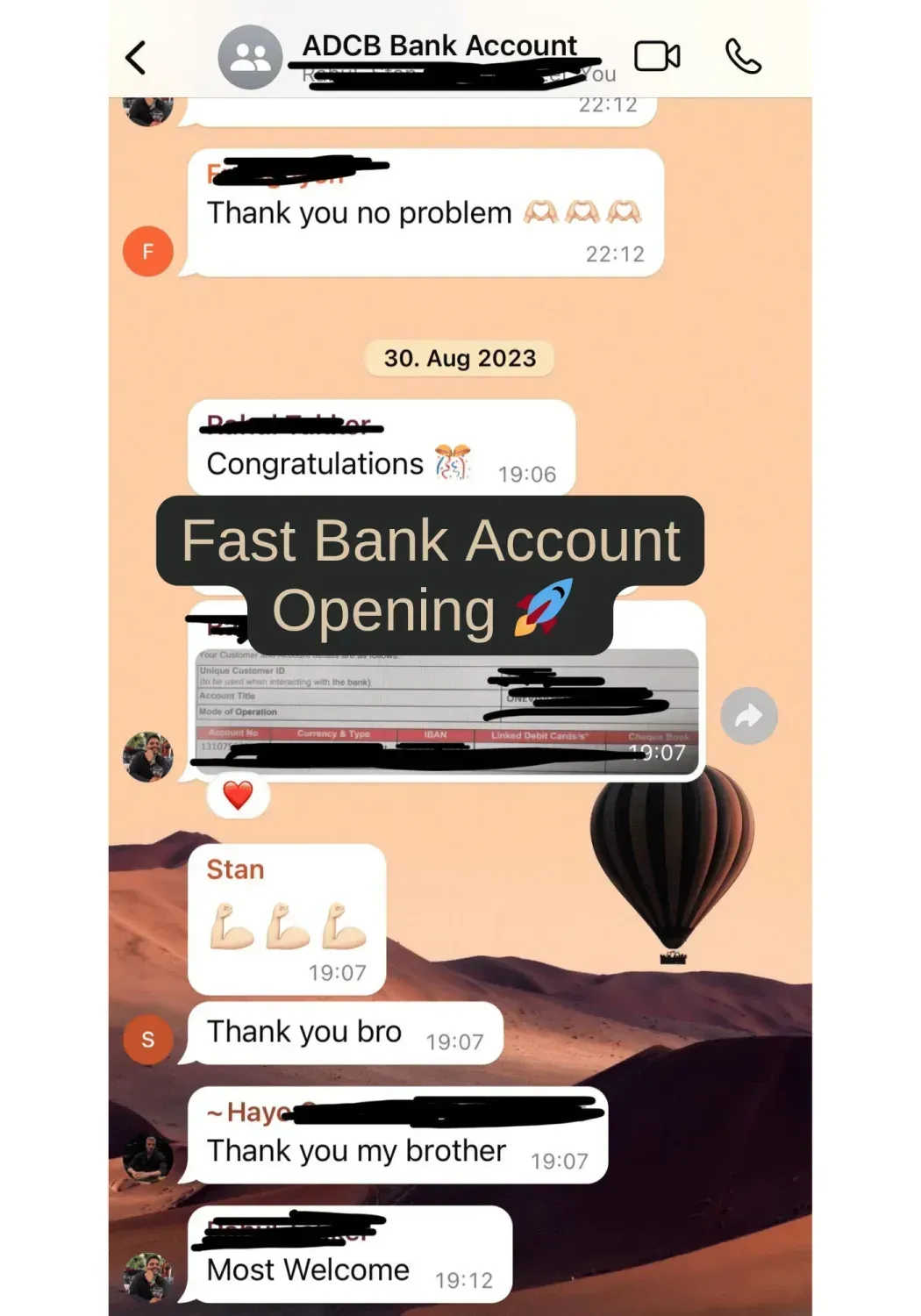
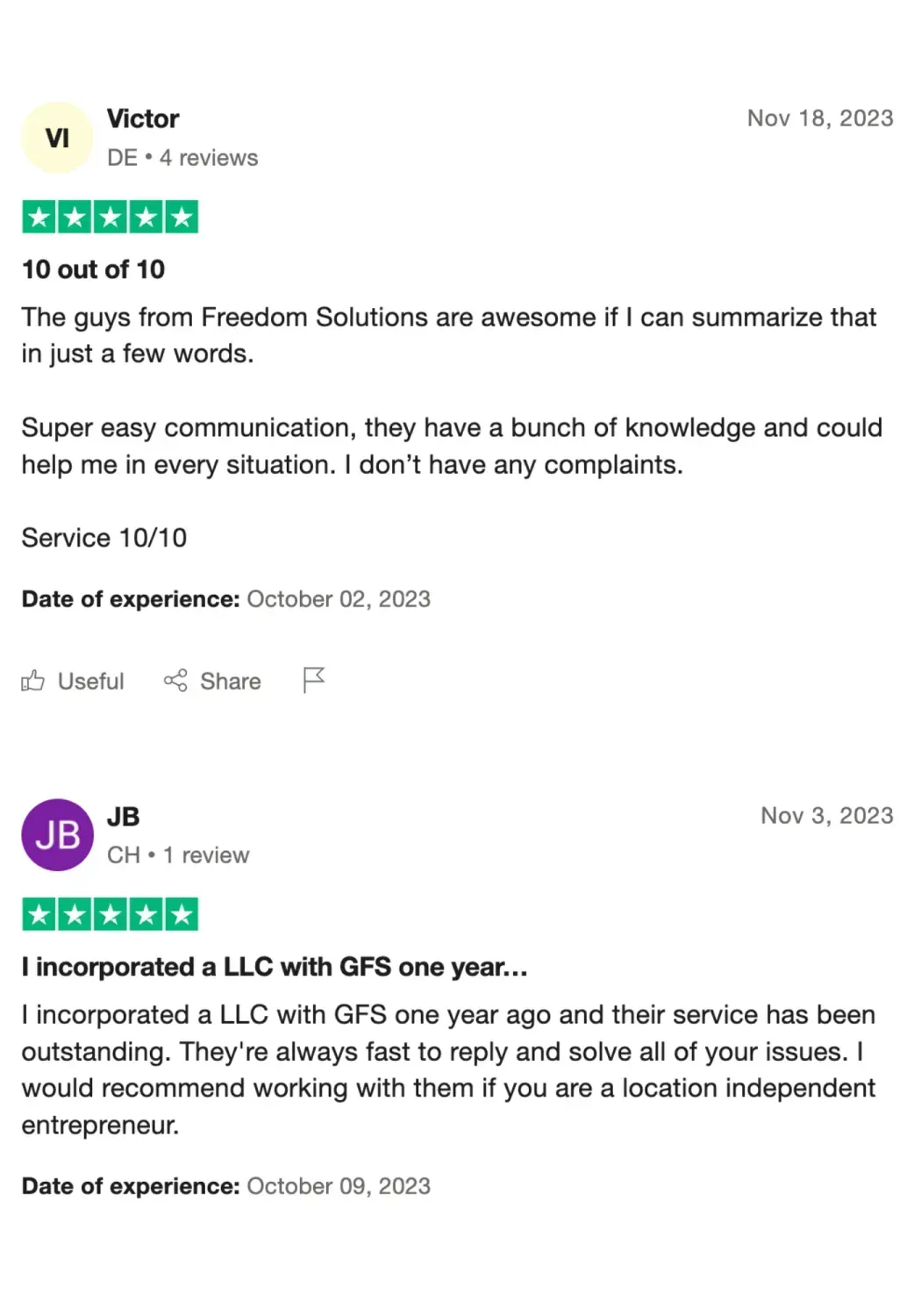
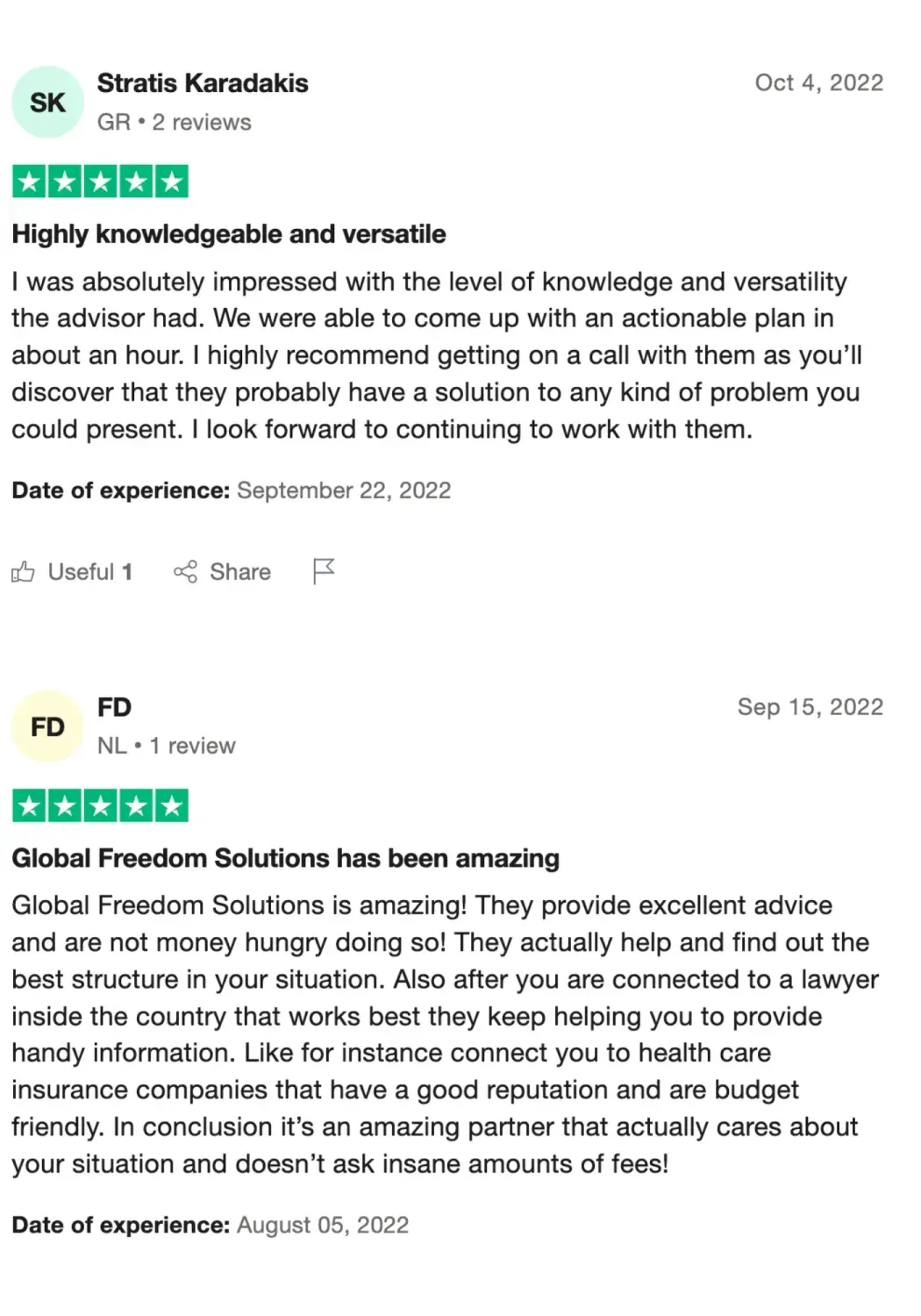
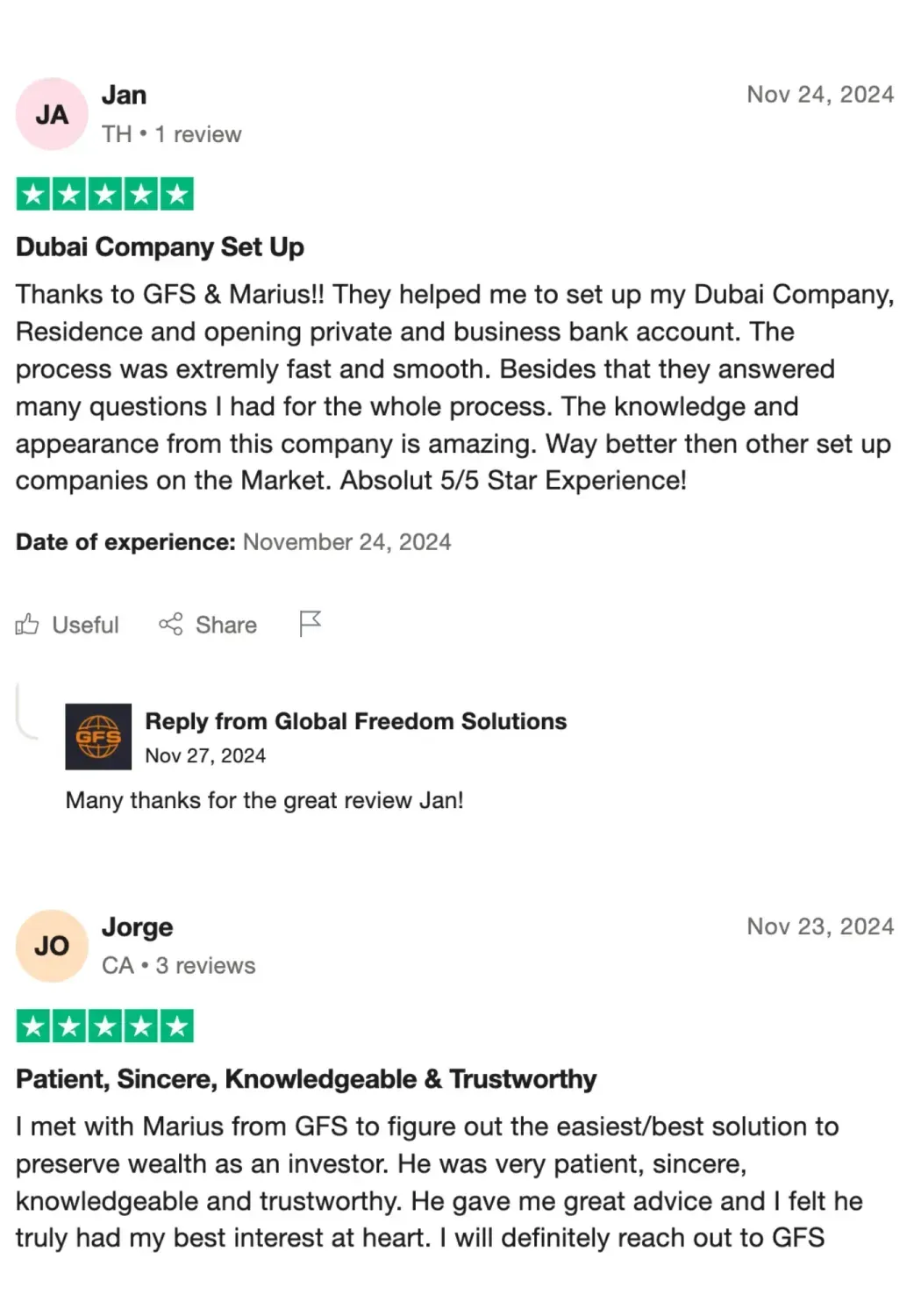
Learn the process before setting anything up.
Learn the process before setting anything up.
Common Questions
Mainland and free zone setups have different rules, costs, license options, office requirements, and banking considerations. Mainland can be especially relevant if you want to hire employees locally in the UAE or need an office outside the free zone authority. The right choice depends on your business activity and long-term plans.
The UAE can still be very tax-friendly, but corporate tax is now part of the system. In general, UAE corporate tax is 0% on taxable profits up to AED 375,000 and 9% on taxable profits above AED 375,000. Small Business Relief may also apply until the end of 2026 if annual revenue is not more than AED 3 million — based on revenue, not profit. Whether this applies to you depends on your activity, income, structure, and compliance position.
Not always, but UAE residency can be important for banking, tax residency, long-term stability, and building a real presence in the UAE.
Yes, but banks usually review your activity, documents, background, expected transactions, and overall profile. UAE banking compliance can be stricter than many people expect, especially compared to some Western jurisdictions. A company license alone does not automatically guarantee easy banking, and account opening can be more difficult with certain free zone setups.
Common mistakes include choosing the wrong license, using an unsuitable free zone, or selecting a business activity that does not match the company’s real activity. This can later create problems with banking, compliance, invoicing, and tax filings.
Other frequent issues are ignoring banking requirements, missing corporate tax or VAT registration when required, forgetting corporate tax filing deadlines, misunderstanding ongoing compliance obligations, or failing to renew the company license on time.
Reserve your spot
Lorem ipsum dolor sit amet, consectetur, numquam enim ab voluptate id quam.
We HATE spam. Your email address is 100% secure